Please ensure Javascript is enabled for purposes of website accessibility

energy efficiency

Heating Services, Home Energy Efficiency

How to Choose the Right Size Furnace for Your Home

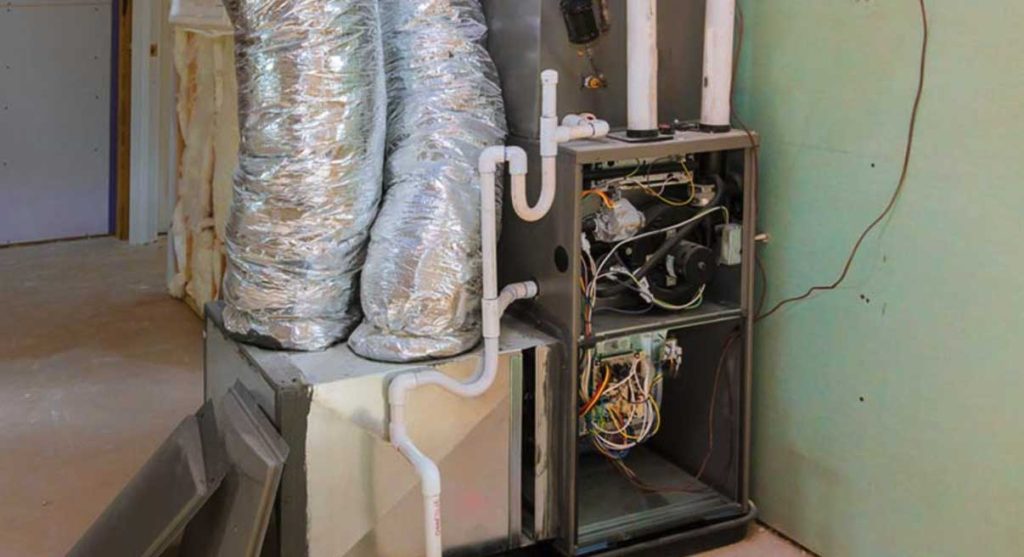
Choosing the right size furnace for your home is crucial for comfort, energy efficiency, equipment longevity, and overall operational costs. A unit that is too large can lead to frequent on-off cycling, reducing the furnace’s lifespan and causing uncomfortable temperature swings. Conversely, a furnace that is too small may run continuously, struggling to heat your home on the coldest days, which increases utility bills and wears out the system prematurely. This guide explains how to accurately determine the appropriate furnace size for your living space. Understand Heating Capacity: BTUs Heating capacity is the cornerstone of selecting the right furnace size. It is measured in British Thermal Units (BTUs), with one BTU representing the energy needed to raise the temperature of one pound of water by one degree Fahrenheit. Residential furnaces typically range from 40,000 to 120,000 BTUs. Understanding BTUs is essential to making an informed choice. Calculate Your Home’s Square Footage The square footage of your home significantly impacts your BTU requirements. A general guideline is 30 to 60 BTUs per square foot, though this can vary depending on climate, insulation quality, layout, and window type. Calculating the total area of the rooms you need heated provides a baseline for your furnace’s capacity. Factor In Your Climate Zone Your geographical location affects your heating needs. The U.S. is divided into climate zones, each with a suggested BTU range per square foot. For instance, homes in cooler climates require more BTUs per square foot than those in warmer regions. Identifying Wall, NJ’s climate zone is essential when estimating heating requirements. Consider Home Insulation and Sun Exposure Good insulation reduces heating needs by retaining warmth. Evaluate your home’s insulation quality, age, and areas that may be compromised. Additionally, consider sun exposure; homes with large south-facing windows may require less heating during sunny winter days, while shaded areas may need more from your system. Assess Furnace Efficiency: AFUE Rating A furnace’s efficiency is measured by its Annual Fuel Utilization Efficiency (AFUE) rating, indicating how well it converts fuel into heat. High-efficiency furnaces (90% AFUE and above) use less fuel while maintaining comfort, benefiting both your wallet and the environment. Factor in AFUE ratings along with BTU needs when choosing your furnace. Get Professional Input: Manual J Calculation A Manual J calculation is the most reliable method for determining the proper furnace size. This detailed analysis considers climate, construction type, insulation, windows, and internal heat sources, providing an accurate BTU requirement. Consulting with a professional to perform this calculation ensures your furnace is sized correctly for maximum comfort and efficiency. Choose Wisely Selecting the right furnace size goes beyond heating capacity. It ensures consistent comfort, energy efficiency, and long-term protection of your home’s heating system. Ready to Upgrade Your Home’s Comfort? If you’re in Wall, NJ, or the surrounding areas and need help selecting the right furnace size, the experts at A-1 Comfort Care Heating, Cooling & Plumbing are ready to guide you. We provide custom solutions tailored to your home’s needs, ensuring comfort, efficiency, and reliable performance. Call us today at 732-578-0379 or fill out our online form to schedule a consultation and make the right choice for your home this winter.

HVAC Services

Factors That Influence the Cost of HVAC Repairs

When your HVAC system malfunctions, it can disrupt your comfort and lead to significant expenses. With the average HVAC repair cost ranging between $200 and $400 and emergency situations often pushing costs even higher, understanding what drives these expenses is essential. This knowledge not only helps you prepare financially but also empowers you to make informed decisions about your heating, cooling, and ventilation needs. Severity and Complexity of the Repair The complexity of the issue plays a major role in determining repair costs. Simple tasks like replacing a thermostat or changing an air filter are relatively inexpensive compared to more complicated jobs such as repairing refrigerant leaks or replacing a faulty compressor. Some problems may also require multiple visits or advanced diagnostics, which can further increase costs. Age, Efficiency, and Type of HVAC System High-efficiency HVAC systems, while energy-saving, often involve more complex components that can be expensive to repair. Older units may cost less to fix initially but could require frequent maintenance, balancing short-term savings against long-term expenses. Additionally, the system type whether a ductless mini-split or a central air system affects overall repair costs. Time of Repair: Emergency Services Emergency HVAC services performed outside regular business hours typically come with higher rates. These premium charges reflect the urgent allocation of resources to restore comfort, especially during peak demand or inconvenient times for technicians. Labor and Geographic Location Labor costs vary widely by location. Urban areas usually have higher rates than rural regions because of increased living costs and business overhead. This difference significantly influences the total bill for HVAC repairs. Additional Expenses: Permits, Parts, and Warranties Repair costs can include more than just labor and basic parts. Certain repairs or system replacements may require permits, adding to the expense. Also, while warranties can cover some costs, they often apply only to parts, leaving labor charges as your responsibility. Reducing HVAC Repair Costs Through Maintenance Preventive maintenance remains the most effective way to avoid costly repairs. Regular inspections and tune-ups can prevent major issues and extend your system’s life. Additionally, investing in energy-efficient systems and using programmable thermostats can reduce energy consumption and save money over time. Contact A-1 Comfort Care for Expert HVAC Services in Wall, NJ When unexpected HVAC issues arise, you need reliable, professional, and cost-effective solutions. A-1 Comfort Care Heating, Cooling & Plumbing in Wall, NJ offers expert HVAC services designed to keep your home comfortable. Our skilled team provides transparent pricing and exceptional service to ensure your peace of mind. Call us today at 732-578-0379 or fill out our online form for a personalized consultation. A-1 Comfort Care is your trusted partner for heating, cooling, and plumbing needs throughout the year.

HVAC

Reasons Why You Shouldn’t Put off HVAC Replacement

HVAC systems are still operational when they’re past their expected life spans. However, having them replaced sooner rather than later has certain benefits. In today’s post, the HVAC installation contractors at A-1 Comfort Care Heating, Cooling & Plumbing share the advantages of not putting off HVAC replacement.

Services

What Different Furnace Flame Colors Mean

Here’s an energy-saving tip: the color of your furnace flame can give you an idea of your heating system’s fuel efficiency. Blue flames with a light blue triangle at their center are a sign your furnace is in good condition and is burning fuel efficiently.  But what if the furnace flame is yellow or orange? What do these flame colors mean? In general, they’re a sign that fuel combustion in your furnace is inefficient and that your heating system should be inspected by a professional HVAC technician.  A-1 Comfort Care, your trusted HVAC and plumbing service contractor, elaborates further on what these flame colors mean below:

HVAC

Important Things to Remember When Buying a New Furnace

It’s that time of the year again when many heating and air conditioning repair services and contractors are receiving hundreds of inquiries about installing a brand-new furnace or upgrading their old one. Getting this done right away leaves you more time to focus on your family, instead of worrying about the increasingly poor quality of comfort your old faulty system is producing.

Air Conditioning

Common Air Conditioning Mistakes to Avoid

Sudden, unexplained spikes in utility bills are often due to air conditioning issues, which may have emerged due to mistakes you’re making in how you use the AC unit. Below A-1 Comfort Care, a trusted provider of air conditioning repair services, discusses some of the common air conditioning mistakes that could be causing your bill to go up.

Scroll to Top

Request Service Form